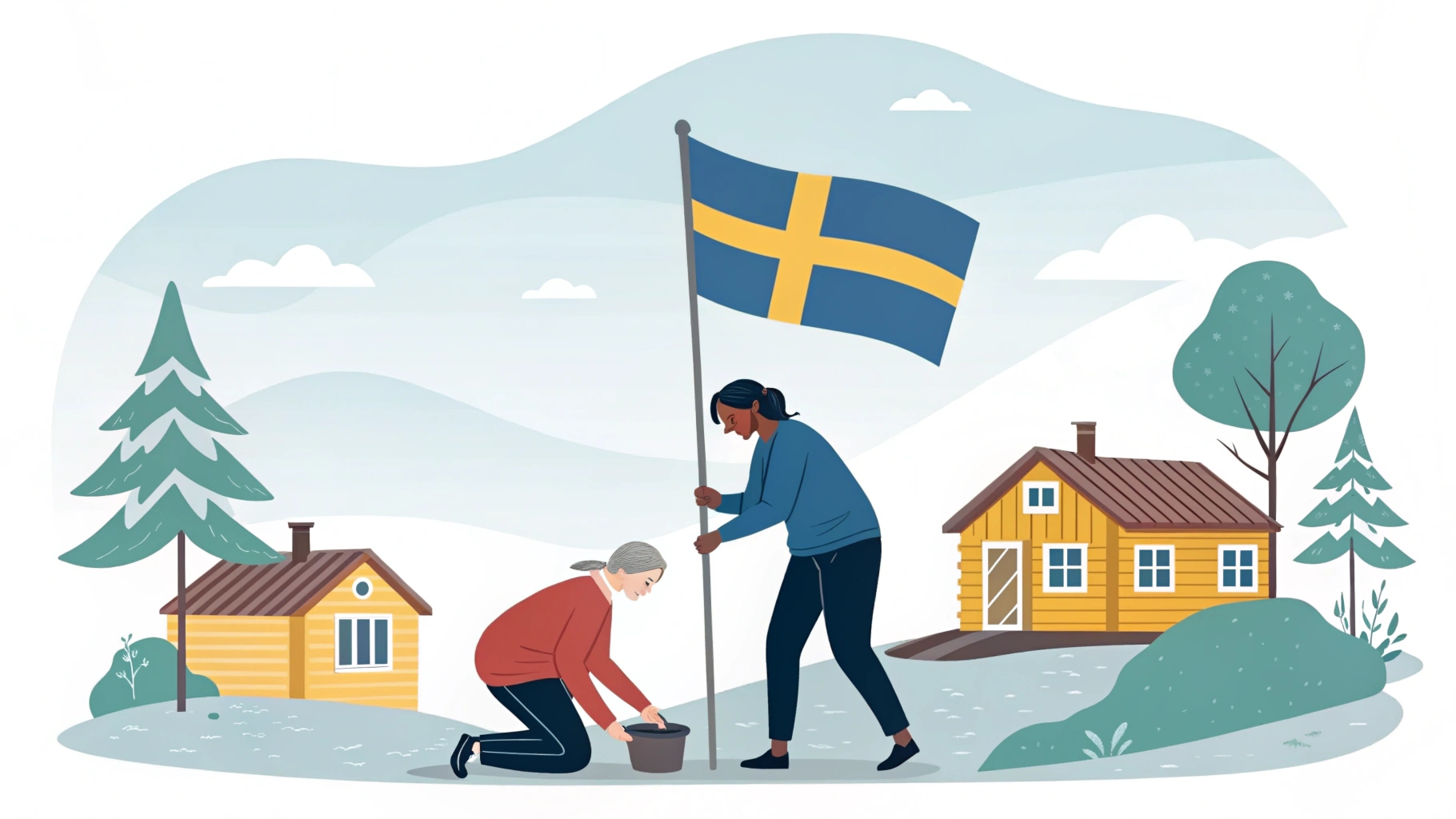
Gärningen Explained: Swedish Deeds, Culture & Meaning
Meta Description: Learn about Gärningen, the Swedish term for meaningful deeds, its cultural, legal, and social importance, and how it influences everyday life in Sweden.
Gärningen is a Swedish word that translates to “the deed” or “the act.” It is not used for every action but is reserved for acts that carry moral, legal, or social significance. A gärning can be a heroic action, a criminal act, or a generous deed that impacts others. Swedish society places great emphasis on the consequences of actions rather than mere intentions. The word is used in conversations, literature, legal settings, and daily life to describe acts that shape society, reflect character, or hold ethical weight.
The Literal and Deeper Meaning of Gärningen
While literally meaning “the act,” gärningen has deeper cultural and moral connotations. In Sweden, people differentiate between good deeds (en god gärning) and criminal acts (den brottsliga gärningen). The term carries emotional weight, showing that actions define an individual’s responsibility and impact. Swedes often say “gärningen talar för sig själv” which means “the deed speaks for itself,” emphasizing that results of actions matter more than promises or intentions.
Historical Roots: Where Gärningen Comes From
Gärningen originates from Old Norse “gerningr,” meaning deed or act. Over centuries, it evolved into the modern Swedish word “gärning” and the definite form “gärningen.” The verb “göra” meaning “to do” highlights that the deed is an active, completed action. Historically, gärningen has been tied to ethical and legal standards, ensuring that significant actions are recognized and accountable in society.
Gärningen in Swedish Law and Criminal Justice
In legal terms, gärningen refers to the specific act under scrutiny in criminal cases. Swedish law classifies deeds as intentional (uppsåtlig gärning) or negligent (oaktsam gärning). The law emphasizes the deed rather than just the person committing it. One common legal expression, “på bar gärning,” translates to “caught in the act” and shows the legal focus on accountability. Courts, police reports, and judicial systems consistently highlight gärningen to ensure that the consequences of actions are evaluated fairly.
How the Media Uses Gärningen
Swedish media often focuses on the deed rather than the individual. Headlines like “Spår från gärningen hittades” (Traces from the act were found) emphasize the impact of actions on society. Journalists highlight both positive and negative deeds, from heroic rescues to criminal offenses. This style ensures the audience understands the consequences of actions rather than sensationalizing the people involved. Media coverage often teaches citizens about responsibility, ethics, and societal values.
Gärningen as a Pillar of Swedish Social Values
Gärningen reflects key Swedish values such as responsibility, trust, and collective welfare. The phrase “Det är gärningen som räknas” (It’s the deed that counts) shows that society prioritizes tangible contributions over intentions. Acts of volunteerism, environmental protection, or community service are all examples of good gärningar. This emphasis reinforces social cohesion and the principle of “lagom,” meaning balance and moderation. Citizens are encouraged to contribute positively without seeking personal glory.
Gärningen in Swedish Literature and Crime Fiction
Swedish literature, especially crime fiction, often uses gärningen as a central theme. In Scandinavian noir, the story revolves around a single act that has widespread consequences. Authors like Stieg Larsson and Henning Mankell explore the moral, psychological, and societal impact of deeds. The concept allows readers to understand motives, ethics, and human behavior through the lens of meaningful actions. Whether depicting a murder, betrayal, or act of bravery, the focus remains on the deed itself as a catalyst for change.
Moral and Religious Foundations of Gärningen
Gärningen also carries moral and religious weight. Rooted in Lutheran Christian values, it reflects the principle that actions speak louder than words. Faith and character are judged by deeds rather than claims or appearances. Philosophically, gärningen aligns with karma, teaching that all actions have consequences. From a young age, Swedes are educated to recognize that meaningful deeds define personal integrity and ethical responsibility.
How Gärningen Appears in Daily Swedish Life
Gärningen is present in everyday conversation. People refer to actions that have lasting effects, like “Den gärningen förändrade mitt liv” (That act changed my life). In schools, teachers highlight helpful deeds, and parents encourage children to perform good deeds. At workplaces, the term is used to acknowledge responsible behavior. This focus on action over words helps maintain accountability, ethical behavior, and social trust.
The Lighter Side of Gärningen: Memes and Pop Culture
Though serious, gärningen also appears in humorous contexts. On social media platforms like TikTok and Instagram, the word is used jokingly for minor acts, like a dog knocking over a vase captioned “Gärningen är klar” (The deed is done). This playful use helps keep the word relevant among younger audiences while maintaining its serious roots.
The Global Journey of Gärningen
As Swedish crime dramas like Wallander and The Bridge gained international popularity, gärningen traveled beyond Sweden. It is sometimes left untranslated in subtitles to preserve its cultural and ethical nuance. The word has become a cultural ambassador, showing how Nordic societies value responsibility, ethics, and meaningful action. International audiences now understand that the word conveys more than a simple act it embodies consequences and societal impact.
Conclusion
Gärningen is a powerful concept that emphasizes the importance of actions over words. It is a legal principle, a cultural value, and a moral guide. Swedish society teaches that deeds define character and social impact. Understanding gärningen encourages individuals to act responsibly, ethically, and meaningfully. Every deed, whether large or small, contributes to shaping communities and society as a whole.
FAQs About Gärningen
What does “gärningen” mean in Swedish?
Gärningen means “the deed” or “the act” and refers to actions that are serious, meaningful, or impactful.
Is “gärningen” only used for crimes?
No, it can describe any significant action, whether positive or negative.
What is an example of a “god gärning”?
A god gärning is a good deed, such as helping someone, volunteering, or donating to charity.
Why is “gärningen” important in Swedish culture?
It shows that actions matter more than words, reflecting responsibility, honesty, and societal values.
Can small deeds be called “gärningen”?
Yes, even small but meaningful actions that make a real difference can be referred to as gärningen.